

Related Industry
Construction
Safety programs built for the specific hazards and regulators of this sector.
Safety programs for landscaping, lawn care, and grounds maintenance crews – seasonal, mobile, and equipment-heavy.
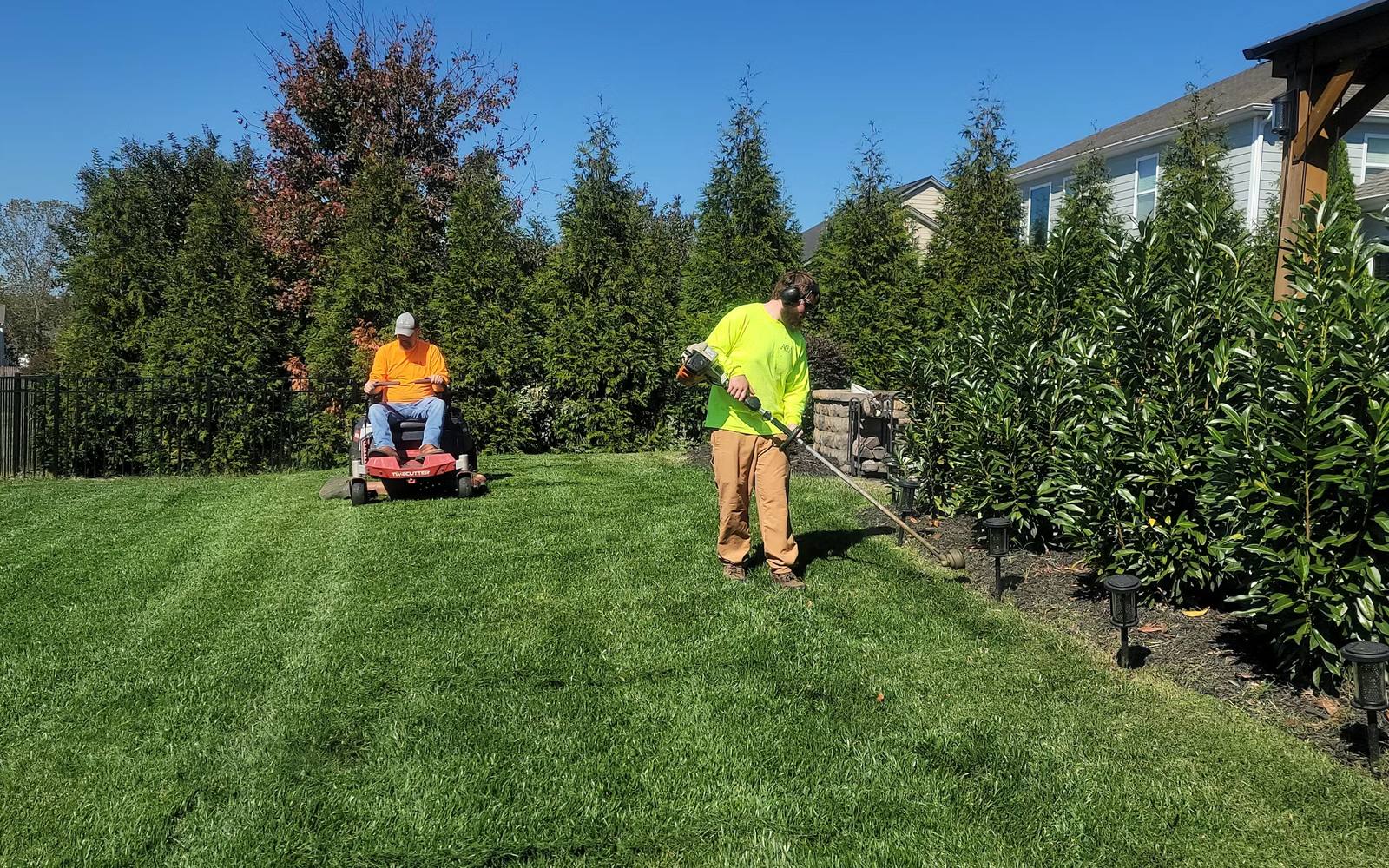
Mowers, trimmers, chainsaws, and wood chippers – projectile, contact, and entanglement hazards daily.
Full-day outdoor work through summer – hydration, rest cycles, and acclimatization procedures prevent collapses.
Chemical handling, mixing, and application with licensing, WHMIS/HazCom, and PPE requirements.
Extended equipment operation regularly exceeds 85 dB – hearing protection programs are required, not optional.
Loaded trailers between job sites – securement, lighting, and driver checks every trip.
New crews every spring – orientation and training records must keep pace with hiring.
Your program needs to address the standards inspectors actually cite in this sector:
Every spring meant 40+ new hires with no recorded orientation – a serious exposure when a client-property incident triggered a WorkSafeBC review. We built a spring onboarding system: day-one orientation checklists, equipment sign-offs, and tailgate meeting templates for the whole season.
If you employ anyone – even seasonally – you have training and documentation obligations. In BC, employers with 20+ workers need a formal program; smaller operations still need orientation records, safe-work procedures, and first-aid arrangements. Commercial clients increasingly ask for proof before awarding contracts.
With a repeatable system, not heroics. We build day-one orientation packages, equipment-specific sign-off sheets, and a season's worth of tailgate meeting topics – so your crew leaders can document training in minutes without you being on every site.
Application records, SDS access for every product, WHMIS/HazCom training records, applicator licences where required, and written mixing/handling procedures. If you spray, inspectors will ask for all of it – usually in that order.
Yes. Several jurisdictions now treat heat illness prevention as a specific regulatory duty, and WorkSafeBC has ordered employers to develop heat stress plans after incidents. Documented hydration, rest, and acclimatization procedures are cheap insurance against a very preventable claim.
Safety programs built for the specific hazards and regulators of this sector.

Safety programs built for the specific hazards and regulators of this sector.

Safety programs built for the specific hazards and regulators of this sector.
Find out exactly where your program stands before your next audit, bid, or inspection.
Contact Us